Pan is a fundamental piece of cookware in any kitchen, serving a multitude of purposes. This versatile tool is essential for frying, sautéing, and even baking. Whether you’re a novice cook or a seasoned chef, understanding the different types of pans available can elevate your culinary skills. In this comprehensive guide, we’ll explore various pan types, their uses, and why a well-chosen pan can make all the difference in your cooking.
Why You’ll Love This Pan
Pans are indispensable in any kitchen, and here’s why:
- Versatility: A good pan can be used for frying, sautéing, and even baking.
- Durability: High-quality pans last for years and withstand frequent use.
- Heat Distribution: Good pans ensure even cooking, preventing hot spots.
- Variety: There are numerous types of pans, like frying pans, skillets, and sauté pans, each tailored for specific tasks.
- Healthier Cooking: Non-stick pans require less oil, making meals healthier.
- Easy Cleanup: Many pans today are designed for hassle-free cleaning.
- Enhanced Flavor: Certain pans, like cast iron, can enhance the flavor of your food.
- Cost-Effective: Investing in a quality pan can save money over time as it reduces the need for additional cookware.
Choosing the right pan is crucial, especially for beginners. Understanding pan types and their uses is the first step in creating delicious meals.
Types of Pans You Should Consider
When it comes to cookware, the variety of pans available can be overwhelming. Here’s a breakdown of essential pans:
- Frying Pan: Great for frying, searing, and browning foods.
- Skillet: Similar to frying pans but often deeper; perfect for sautéing.
- Saucepan: Ideal for boiling and simmering sauces and soups.
- Griddle: Perfect for pancakes and flatbreads, offering a large cooking surface.
- Sauté Pan: Features high sides and a large surface for cooking delicate foods.
- Non-Stick Pan: Excellent for low-fat cooking and easy cleanup.
- Cast Iron Pan: Retains heat exceptionally well, ideal for frying and baking.
Each of these pan types serves a unique role in your kitchen, making it easier to prepare a variety of dishes.
How to Choose the Right Pan
Choosing the right pan can significantly impact your cooking experience. Consider the following factors:
- Material: Options include stainless steel, non-stick, cast iron, and more. Each has its benefits and drawbacks.
- Size: What size frying pan should I buy? Consider your cooking needs and the size of your stovetop.
- Heat Conductivity: Some materials heat quickly, while others distribute heat more evenly.
- Maintenance: Some pans require special care, such as seasoning cast iron.
- Cooking Style: Identify whether you need a pan for high-heat cooking or one that’s better for low and slow.
By understanding these factors, you can ensure you’re making an informed decision about your cookware.
Maintenance and Care for Your Pans
To prolong the life of your pans, proper care is essential:
- Cleaning: Always follow the manufacturer’s instructions. For non-stick pans, avoid abrasive cleaners.
- Seasoning: For cast iron pans, learn how to season a cast iron pan to maintain its non-stick surface.
- Storage: Store pans properly to avoid scratches and dents, especially non-stick types.
- Heat Management: Use appropriate heat settings to prevent warping and damage.
By following these maintenance tips, your pans will last longer and perform better.
Frequently Asked Questions About Pans
What is the difference between a skillet and a frying pan?
The primary difference lies in their design. A skillet often has higher sides and a larger surface area, making it suitable for sautéing, while a frying pan is shallower and designed primarily for frying.
How to clean a frying pan?
Cleaning a frying pan depends on its material. For non-stick pans, use a soft sponge and mild detergent. For cast iron, avoid soap and instead use hot water and a stiff brush.
Why use a cast iron pan?
Cast iron pans are known for their excellent heat retention and distribution, making them perfect for frying and baking. They also develop a natural non-stick surface when seasoned correctly.
Conclusion: Elevate Your Cooking with the Right Pan
Whether you’re an aspiring chef or a home cook, having the right pan is key to successful cooking. By understanding the various types of pans, knowing how to choose the right one, and maintaining them properly, you can enhance your culinary experience. Invest in quality cookware that meets your cooking needs, and watch as your dishes transform into delicious meals!
For more recipes and cooking tips, check out our recipe collection. If you’re interested in baking, you might enjoy our Pumpkin Patch Cookies. For a delicious dinner idea, consider trying our Chicken Caesar Sandwich.
Additionally, you can learn more about the benefits of cast iron cookware from Serious Eats.
Print
Pan: 10 Reasons You Need This Essential Cookware
- Total Time: 40 minutes
- Yield: 4 servings 1x
- Diet: Gluten Free
Description
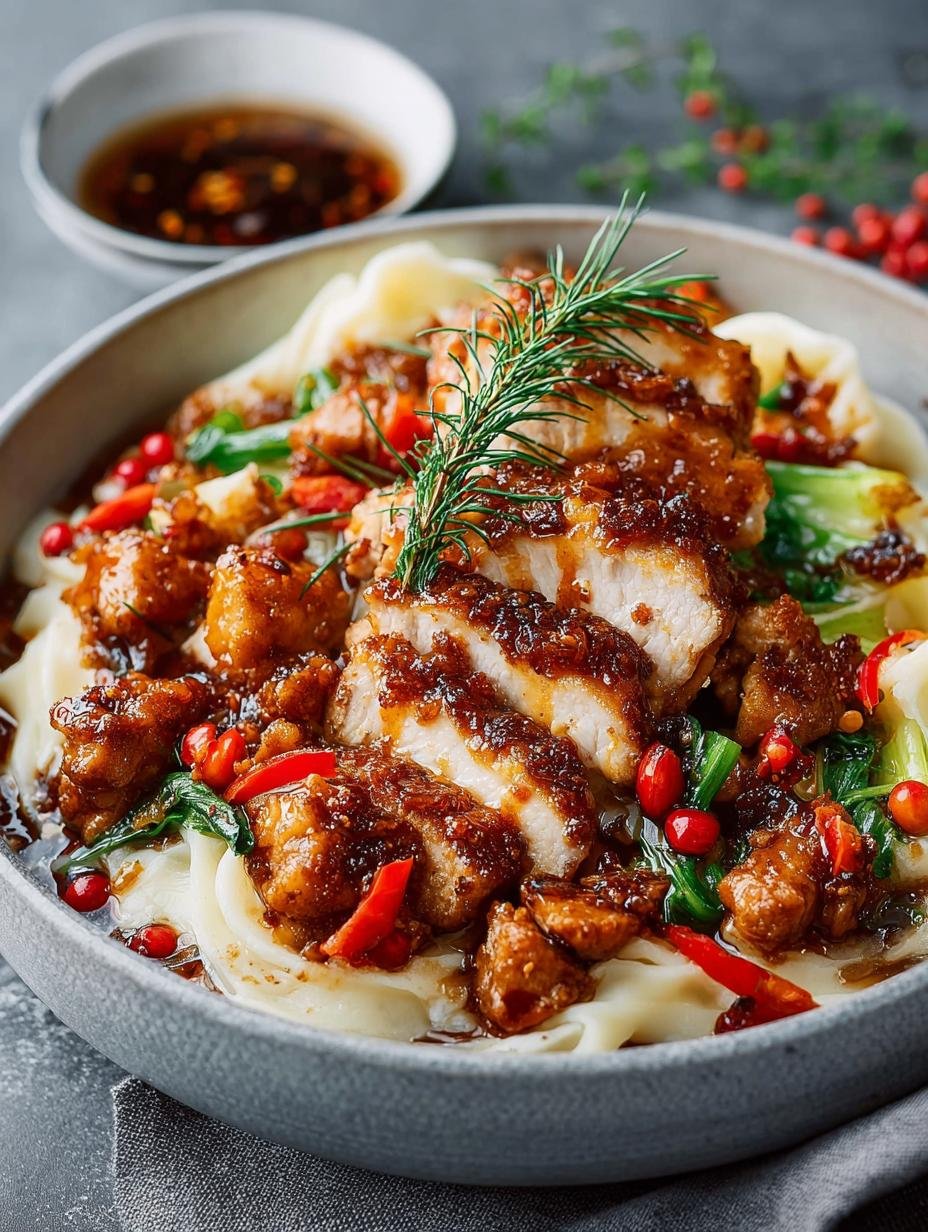
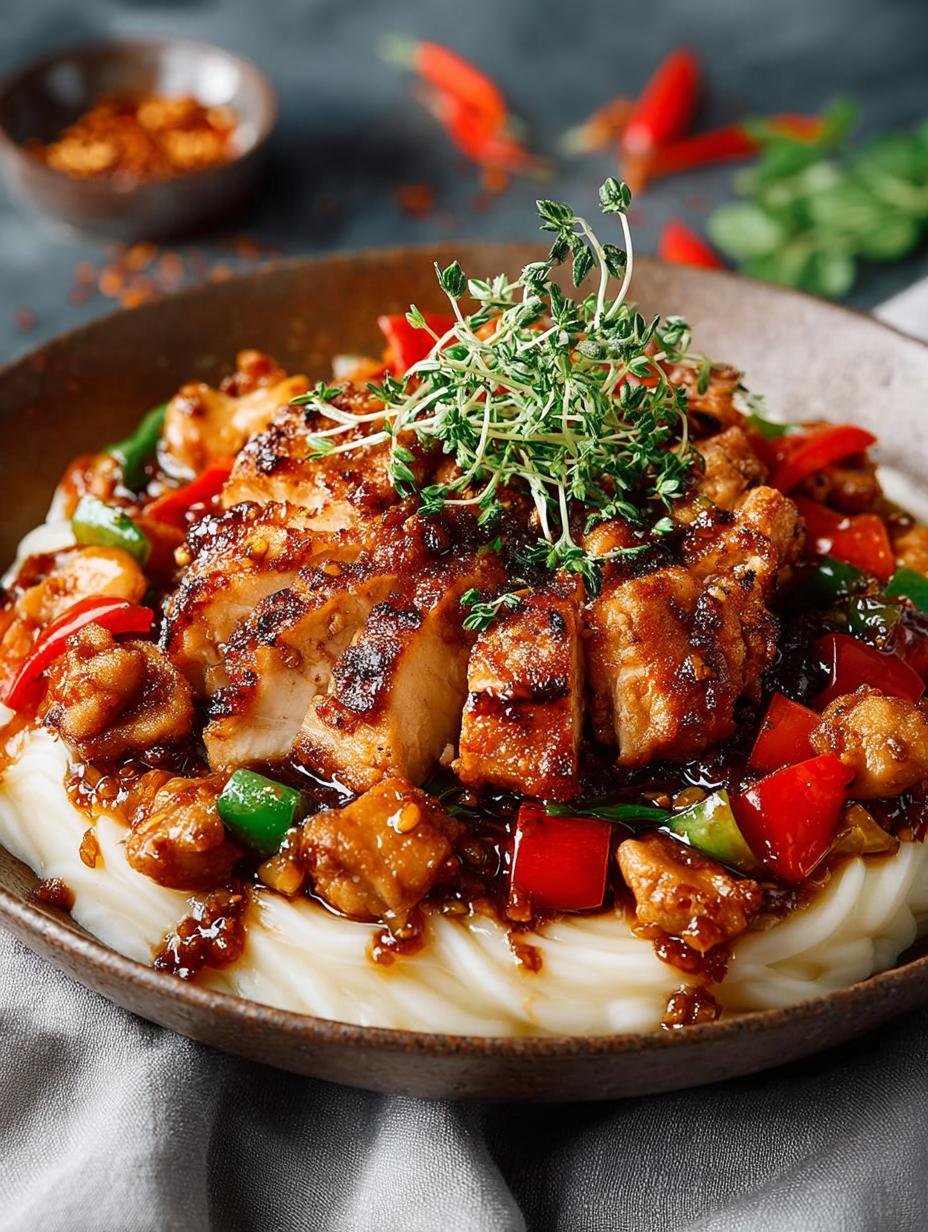
Big Plate Chicken is a hearty, spicy dish from Xinjiang. It features tender chicken, velvety potatoes, and wide noodles in a bold sauce.
Ingredients
- 1 batch wide homemade pulled-noodles (or 8 oz / 225 g dried noodles)
- 2 tablespoons Shaoxing wine
- 2 tablespoons light soy sauce
- 2 teaspoons dark soy sauce
- 1 tablespoon doubanjiang
- 1 teaspoon sugar
- 1 thumb ginger, thinly sliced
- 6 cloves garlic, smashed
- 4 scallions, sliced into 1” pieces
- 1/2 red onion, sliced into 1/2” pieces
- 8 dried Chinese chili peppers
- 2 star anise pods
- 2 bay leaves
- 1/2 teaspoon ground Sichuan peppercorn
- 1 cinnamon stick
- 2 tablespoons peanut oil (or vegetable oil)
- 4 boneless chicken thighs, diced to 1” (2.5 cm) pieces
- 1 1/2 cups chicken stock
- 1 russet potato, roll cut into 1/2” pieces
- 1 red pepper, cut into 1 1/2” pieces
- Chopped cilantro for garnish (Optional)
Instructions
- Prepare the noodle dough if you’re planning to use homemade noodles.
- Mix Shaoxing wine, light and dark soy sauce, and sugar in a small bowl.
- Add the ginger, garlic, onion, dried chili pepper, star anise, bay leaves, Sichuan peppercorns, and cinnamon to a small plate.
- Boil the noodles according to instructions. Once done, drain and rinse with cold water to stop cooking. Then drain again.
- Heat oil in a wok until shimmering. Add the chicken. Cook, stirring occasionally, until the surface turns light golden.
- Add the plate of the spices to the wok. Stir and cook for 30 seconds to release fragrance. Add doubanjiang and cook until all the spices are coated. Add the Shaoxing wine mixture. Stir immediately to deglaze the wok.
- Pour in water and add potato. Cook over medium-high heat until bringing to a simmer. Cover and simmer over medium heat for 5 minutes.
- Add bell pepper. Keep simmering for another 5 minutes until the vegetables turn tender. Stir in the scallion and cook for another minute.
- If the broth is still too thin, turn to high heat to reduce the sauce. Stir constantly to prevent burning. Once done, transfer everything to a big bowl. Remove as much dried spices as you can and discard them.
- Serve the chicken, vegetables, and sauce over boiled noodles. Garnish with cilantro if desired.
Notes
- Adjust spice level by changing the number of chili peppers.
- Use fresh noodles for better texture.
- Store leftovers in the fridge for up to 3 days.
- Prep Time: 15 minutes
- Cook Time: 25 minutes
- Category: Main Dish
- Method: Stir Fry
- Cuisine: Chinese
Nutrition
- Serving Size: 1 serving
- Calories: 595
- Sugar: 3g
- Sodium: 800mg
- Fat: 19.1g
- Saturated Fat: 3g
- Unsaturated Fat: 14g
- Trans Fat: 0g
- Carbohydrates: 65g
- Fiber: 4g
- Protein: 40g
- Cholesterol: 100mg