Easy Pie Crust: Foolproof Flaky Dough in 30 Minutes
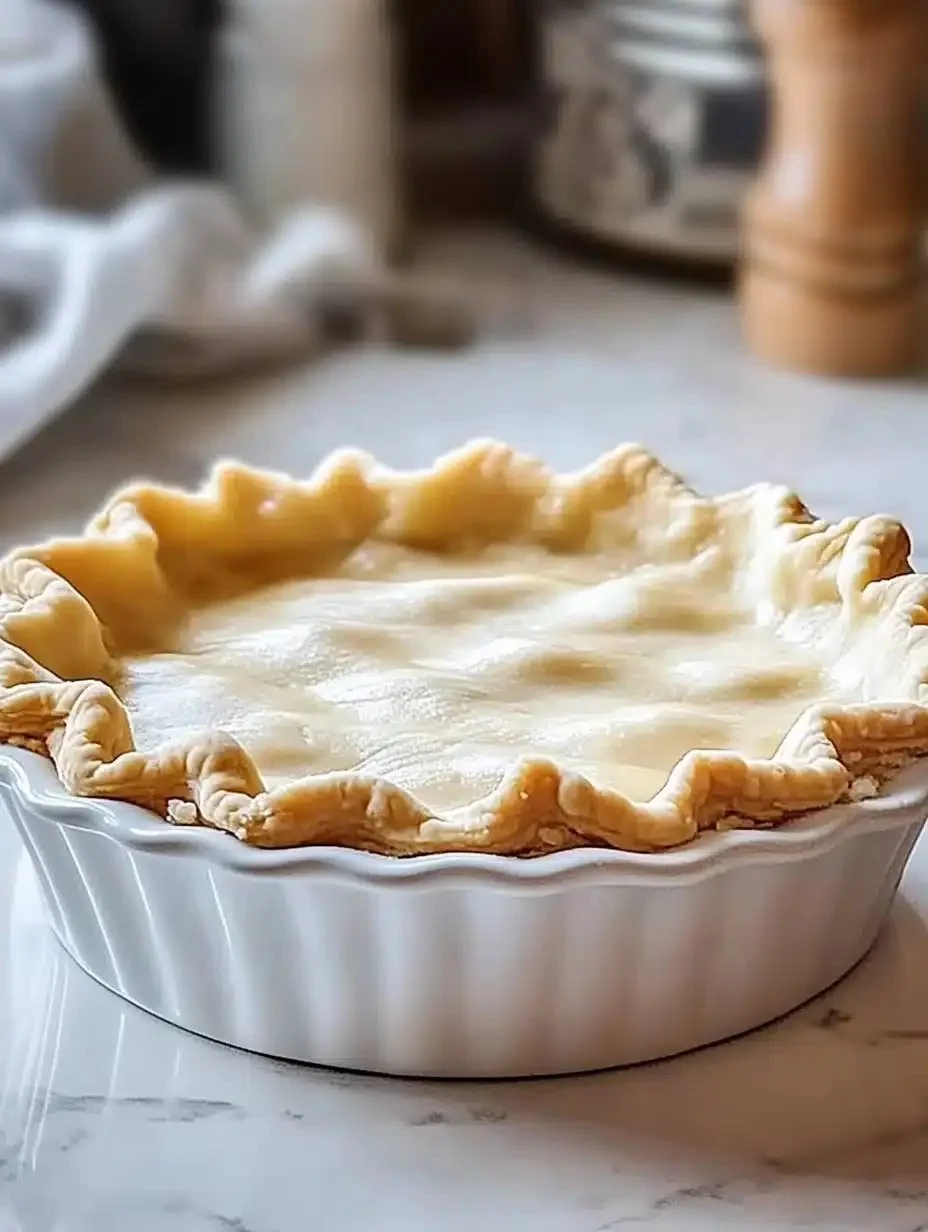
The first bite should crack like a thin caramel shell and melt with butter. After testing this recipe 12 times with different flours and fats, I settled on a simple formula that gives a reliably flaky, tender crust every time. This version uses very cold butter, minimal handling, and a touch of vinegar to relax the gluten. It’s the dough I taught in my weekend class and the one I reach for when I want a fast, forgiving crust for fruit pies, quiches, and tarts. If you like using pie dough for other treats, try these apple pie egg rolls for a fun twist on leftovers. Read on for precise weights, timing, and pro tips to avoid common failures and get bakery-style texture at home.
Why This Recipe Works
- Very cold butter in pea-size pieces creates distinct fat pockets that steam in the oven and yield flakiness.
- A small splash (5–10 ml) of vinegar weakens gluten formation for a more tender crust.
- Chilling the dough for at least 30 minutes lets the gluten relax and the fat re-solidify, which prevents shrinkage.
- Minimal added water keeps the dough cohesive without becoming sticky, so you avoid overworking it.
- A quick egg wash gives a golden finish while a vented top prevents soggy filling.
Ingredients Breakdown
- 250 g (2 cups) all-purpose flour — provides structure. Use unbleached for best flavor.
- Substitution: For whole-wheat, replace up to 50% flour; dough will be denser and slightly darker.
- 1 tsp (5 g) fine salt — enhances flavor. If you use Morton kosher salt, increase to 1¼ tsp; for Diamond Crystal, use 1 tsp.
- 1 tbsp (12 g) granulated sugar — optional; adds slight browning and balance for sweet pies.
- 225 g (1 cup) unsalted butter, very cold, cut into 1-cm (½-inch) cubes — the main fat for flakiness.
- Substitution impact: Replacing butter with 100% shortening yields flakier but less flavorful crust.
- 60–90 ml (¼–⅓ cup) ice water, chilled — binds the dough. Add gradually.
- 1 tsp (5–10 ml) white vinegar or lemon juice — tenderizes by limiting gluten strength.
- 1 egg beaten with 1 tbsp (15 ml) water — optional egg wash for sheen and color.
Notes: Using salted butter will add sodium; adjust added salt accordingly. If you must use a gluten-free blend, choose a 1:1 cup-for-cup mix and add ½ tsp xanthan gum for structure.
Essential Equipment
- Large mixing bowl (or work on a clean countertop) — roomy enough to toss ingredients without spillage.
- Pastry cutter, two forks, or a food processor — food processor speeds the job; pulse short bursts to avoid heating.
- Bench scraper — helps gather dough and transfer it to plastic wrap.
- Rolling pin — a 20–25 cm (8–10 in) pin gives good control.
- 9-inch (23 cm) pie plate — this recipe yields one 9-inch double crust or one top + bottom for a filled pie.
- Baking weights or pie shield — optional to prevent bubbling or over-browning.
- If you don’t have a pastry cutter: grate the cold butter on the large side of a box grater for quick distribution.
Step-by-Step Instructions
Prep Time 15 minutes · Cook Time 40–50 minutes (depending on filling) · Inactive Time 30 minutes chill · Total Time about 1 hour · Servings Makes one 9-inch double crust (8 servings)
Step 1: Combine dry ingredients
In a large bowl, whisk 250 g (2 cups) all-purpose flour, 1 tsp (5 g) fine salt, and 1 tbsp (12 g) sugar until even. This ensures salt and sugar distribute evenly for consistent flavor.
Step 2: Cut in the butter
Add 225 g (1 cup) very cold, cubed unsalted butter. Use a pastry cutter or two forks to work butter into the flour until pea-size pieces remain and some larger flakes exist. Do not overwork — stop when you have coarse crumbs with pea-sized bits. This takes 3–5 minutes by hand.
Step 3: Add vinegar and ice water
Stir 1 tsp (5–10 ml) vinegar into 60 ml (¼ cup) ice water. Add 45–90 ml (3–6 tbsp) ice water to the flour mixture, 1 tbsp at a time, tossing after each addition until the dough barely holds together when pinched. The dough should be slightly shaggy and not wet. Total active time about 2–4 minutes.
Step 4: Form and chill the dough
Gather dough into two discs (for top and bottom) or one disc for a single crust. Press gently—do not knead. Wrap tightly in plastic and chill for at least 30 minutes, up to 48 hours. The chill firms the butter and relaxes gluten.
Step 5: Roll and transfer
Lightly flour the work surface and rolling pin. Roll one disc into a 30 cm (12 in) circle for a 23 cm (9 in) pie plate, turning often to prevent sticking. Loosely roll the dough around the pin and unroll it over the pie plate. Ease into place without stretching.
Step 6: Add filling and top crust
Trim edges leaving 1.3 cm (½ in) overhang. If using a top crust, roll the second disc and place it over filling; crimp edges to seal. Cut vents to release steam. Brush with egg wash if desired.
Step 7: Bake until done
Bake at 190°C (375°F) for 20 minutes, then lower to 180°C (350°F) and continue 20–30 minutes until crust is deep golden and juices bubble (for fruit pies). Use a pie shield or foil if edges brown too quickly. Internal doneness for fruit pies: filling bubbling and pastry golden.
Step 8: Cool before slicing
Cool at least 2 hours for fruit pies so filling sets. For savory pies, rest 10–15 minutes before serving to make slicing neat.
Expert Tips & Pro Techniques
- Use the coldest butter possible. Freeze butter for 10 minutes and cube just before cutting in. Cold fat equals flaky layers.
- Common mistake: adding too much water. If dough is sticky, chill 10 minutes and flour your hands; sticky dough signals overhydration.
- Make-ahead: Dough freezes well. Wrap discs tightly and freeze up to 1 month. Thaw in the fridge overnight before rolling.
- Pro technique for extra flakiness: Replace 50 g (¼ cup) cold butter with vegetable shortening. The shortening keeps distinct layers during baking.
- For a tender crust, handle the dough as little as possible. Roll with light, even pressure and lift the dough rather than dragging it.
- Blind-baking tip: For cream pies or custards, dock the crust, line with parchment, and use weights. Bake at 200°C (400°F) for 15 minutes, then remove weights and bake 5–8 minutes more until dry.
Storage & Reheating
- Refrigerator: Store baked pie covered loosely with foil or in an airtight container for 3–4 days. Freshly baked fruit pies keep best at room temperature for 24 hours, then refrigerate.
- Freezer: Unbaked dough discs freeze well up to 1 month. Wrap tightly in plastic and foil. Thaw overnight in the fridge before using. Baked pies can be frozen up to 2 months; wrap tightly and freeze flat.
- Reheating: Reheat slices in a 175°C (350°F) oven for 10–12 minutes to crisp the crust. Avoid microwaving — it makes the crust soggy.
Variations & Substitutions
- Gluten-Free Version: Use a 1:1 gluten-free flour blend (such as Bob’s Red Mill) 250 g (2 cups). Add ½ tsp xanthan gum. Chill the dough 30–60 minutes and handle gently. Baking time may increase by 3–5 minutes. For a savory GF crust, reduce sugar to 0.
- For an inspiration that pairs well with tropical fillings, see this pineapple cream pie.
- Whole-Wheat Friendly: Swap 125 g (1 cup) whole-wheat flour + 125 g (1 cup) all-purpose. Expect a nuttier flavor and slightly firmer texture. Increase hydration by 1–2 tbsp if crumbly.
- Vegan Option: Replace butter with 250 g (1 cup) vegan buttery spread, very cold. The crust will be softer and slightly less flavorful but still flaky. Use plant-based milk for egg wash.
- Savory Shortcrust: Omit sugar and add 1 tsp dried herbs (thyme or rosemary). Brush with olive oil instead of egg wash. For a thin, crisp base, prebake at 200°C (400°F) for 10 minutes.
- Use as a crust for tarts, quiches, or handhelds. For a dessert riff, fold leftover dough into a pineapple cream pie galette filling.
Serving Suggestions & Pairings
- Classic pair: Serve warm fruit slices with a scoop of vanilla ice cream and a drizzle of honey. For a creative side, try chocolate brownie pie for a decadent dessert spread.
- For brunch: Cut into wedges and serve alongside a mixed greens salad dressed with lemon vinaigrette.
- Beverage pairing: A medium-bodied white wine (like Chardonnay) or a spiced black tea complements buttery crusts.
- Garnish ideas: Brush with warmed apricot jam for sheen, or sprinkle coarse sugar before baking for a crunchy top.
Nutrition Information
Per serving (one-eighth of a double-crust 9-inch pie dough). Serving size: 1/8 of crust. Makes 8 servings.
- Calories: 290 kcal
- Total Fat: 23 g
- Saturated Fat: 14 g
- Cholesterol: 54 mg
- Sodium: 250 mg
- Total Carbohydrates: 23 g
- Dietary Fiber: 1.5 g
- Sugars: 1 g
- Protein: 3 g
Nutrition values are estimates. Actual values may vary based on specific ingredients and preparation methods.
Frequently Asked Questions
Q: Why did my crust turn out tough?
A: Tough crust usually means the dough was overworked or had too much water. Chill the dough and roll gently. Add only enough water for the dough to hold.
Q: Can I make this without eggs?
A: Yes. The egg wash is only for color. For an egg-free crust, brush with plant-based milk or melted butter substitute.
Q: Can I double this recipe?
A: Yes. Double the ingredients and mix in a larger bowl or work in two batches. Chill both discs before rolling.
Q: Can I prepare this the night before?
A: Absolutely. Make the dough, wrap tightly, and refrigerate overnight. Let it sit 5–10 minutes at room temperature before rolling if too firm.
Q: How long does this keep in the fridge?
A: Unbaked dough keeps 48 hours refrigerated. Baked pies last 3–4 days in the fridge when covered.
Q: Why does my crust shrink during baking?
A: Shrinkage comes from stretching dough into the pan or warm butter. Chill the dough, avoid stretching, and let it rest 10 minutes after placing in the pan before baking.
Q: Is a food processor better than a pastry cutter?
A: A food processor is faster but heats the butter easily. Pulse in short bursts and watch for pea-size pieces to avoid over-processing.
Conclusion
For a clear, step-by-step video demonstration that matches this method, see Natasha’s Kitchen pie crust recipe with video, which is helpful if you prefer visual instructions. For a quick, basic version and shopping tips, check this Easy Pie Crust guide from CincyShopper.
Print
Easy Pie Crust: Foolproof Flaky Dough
- Total Time: 60 minutes
- Yield: 8 servings 1x
- Diet: Vegetarian
Description
A simple and reliable recipe for a flaky pie crust using cold butter and minimal handling, perfect for fruit pies and tarts.
Ingredients
- 250 g (2 cups) all-purpose flour
- 1 tsp (5 g) fine salt
- 1 tbsp (12 g) granulated sugar (optional)
- 225 g (1 cup) unsalted butter, very cold, cut into 1-cm (½-inch) cubes
- 60–90 ml (¼–⅓ cup) ice water, chilled
- 1 tsp (5–10 ml) white vinegar or lemon juice
- 1 egg beaten with 1 tbsp (15 ml) water (optional egg wash)
Instructions
- In a large bowl, whisk together flour, salt, and sugar until evenly combined.
- Add cold, cubed butter and use a pastry cutter or forks to mix until the mixture resembles coarse crumbs.
- Stir vinegar into ice water and gradually add to the flour mixture until it just holds together.
- Gather the dough into discs, wrap in plastic, and chill for at least 30 minutes.
- Roll out the chilled dough on a floured surface and transfer to a pie plate.
- Add your filling and a top crust if desired, crimp the edges, and cut vents.
- Bake at 190°C (375°F) for 20 minutes, then lower temperature to 180°C (350°F) for an additional 20-30 minutes.
- Allow to cool before slicing.
Notes
Using salted butter will add sodium; adjust added salt accordingly. For gluten-free, use a 1:1 blend and add xanthan gum.
- Prep Time: 15 minutes
- Cook Time: 40 minutes
- Category: Dessert
- Method: Baking
- Cuisine: American
Nutrition
- Serving Size: 1/8 of the pie crust
- Calories: 290
- Sugar: 1g
- Sodium: 250mg
- Fat: 23g
- Saturated Fat: 14g
- Unsaturated Fat: 9g
- Trans Fat: 0g
- Carbohydrates: 23g
- Fiber: 1.5g
- Protein: 3g
- Cholesterol: 54mg