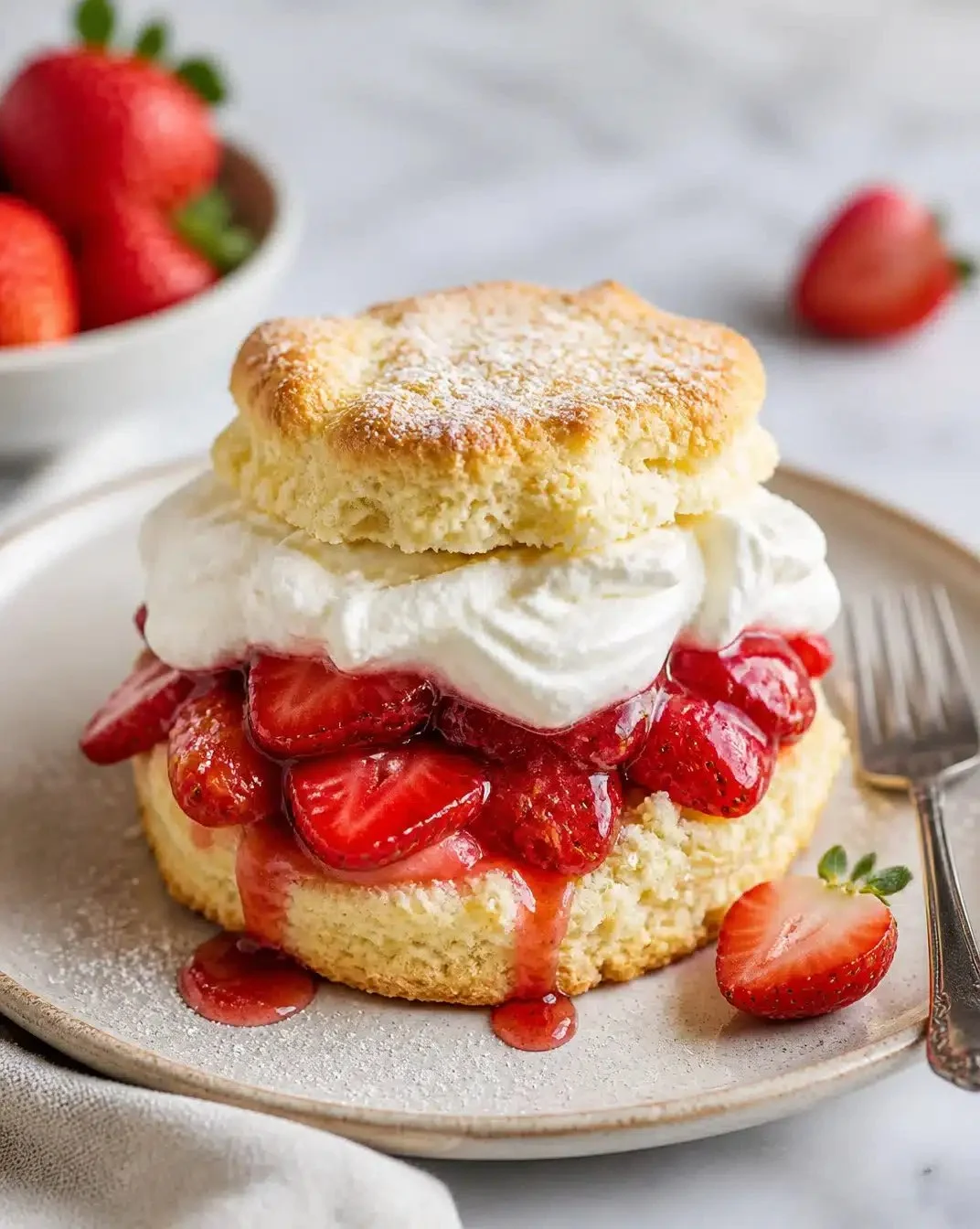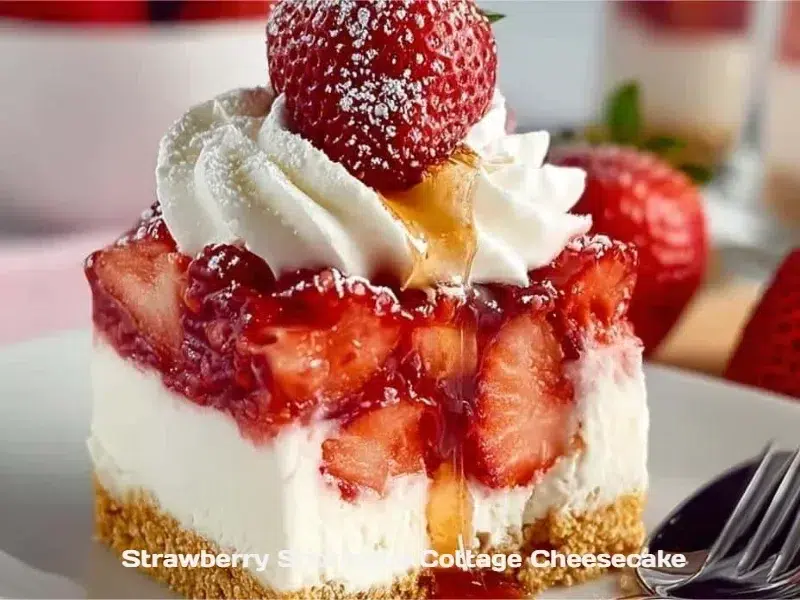
Strawberry Shortcake Cottage Cheesecake guide 🍓🧀
Ready for the most irresistible Strawberry Shortcake Cottage Cheesecake guide that takes just a few simple steps to master? You’ll absolutely love this approachable, flavor-packed recipe and learning framework — it’s quick, family-approved, budget-friendly, and surprisingly flexible. In this guide you’ll learn how to make a light angel-food–and–cottage-cheese layered dessert, why the method works, smart substitutions, storage and learning tactics, troubleshooting, and creative variations to make it your own. Follow along and you’ll be serving a game-changing dessert that feels gourmet but is totally doable on a weeknight. For a fast twist on mini cheesecakes check out this helpful reference: mini strawberry cheesecakes.
(Primary keyword included early: Strawberry Shortcake Cottage Cheesecake guide)
Attributes Origin & Cultural Context (H2) 🍰🌍
Strawberry shortcake and cheesecake each have long, delicious histories. Shortcake in Anglo-American tradition is a simple biscuit or sponge layered with fruit and cream; cheesecake has ancient roots going back to Greece, evolving through European and American versions (ricotta, cream cheese, cottage cheese). Combining the airy, nostalgic shortcake idea with cottage-cheese–based cheesecake creates a dessert that’s both lighter on the palate and more protein-friendly than classic cream-cheese versions.
My family started making a similar layered jar dessert when my grandmother wanted a lighter sweet after dinner. She’d use leftover angel food cake, fresh berries from the garden, and a cottage-cheese filling sweetened with honey. That memory is what inspired this Strawberry Shortcake Cottage Cheesecake guide — it’s a fusion of garden-fresh simplicity and a healthier cheesecake approach. Regional variations include using pound cake in the American South, ricotta in Italy, or Greek yogurt in Mediterranean adaptations.
For more ideas on cottage-cheese cheesecake twists, try this cottage cheese brownie pairing: cottage cheese brownie.
Why This Strawberry Shortcake Cottage Cheesecake Guide is a Game-Changer (H2) ⚡💡
This Strawberry Shortcake Cottage Cheesecake guide works because it balances flavor, texture, accessibility, and nutrition. Here’s a breakdown of the standout benefits and why they matter.
Lightning Fast: You can assemble individual servings in under 20 minutes once the components are ready, with the core technique — whipping cottage cheese and yogurt to a smooth filling — taking 5–7 minutes. That makes it perfect for quick entertaining or weeknight treats. (Long-tail: Quick and easy Strawberry Shortcake Cottage Cheesecake guide)
Budget-Friendly: Cottage cheese and Greek yogurt are more economical than full blocks of cream cheese. Pantry-friendly ingredients mean you can often make it without a special shopping trip. Save more by using in-season strawberries or frozen berries.
Family Approved: Kids love the layers and bright fruit; adults appreciate the lighter texture. This guide includes simple steps so beginners feel confident. If you want mini-portioned dessert ideas, see these mini cheesecake ideas.
Nutritiously Delicious: Using cottage cheese + Greek yogurt boosts protein and reduces fat compared to classic cheesecake. The dessert still delivers sweetness and satisfaction, which can help with mindful eating and mood-boosting social moments at gatherings.
Infinitely Customizable: Swap cake bases (angel food, sponge, graham), change sweeteners, add citrus, or turn it into parfaits. This guide emphasizes substitutions so you can tailor to dietary needs. (Long-tail: Expert-level Strawberry Shortcake Cottage Cheesecake at home)
Pantry-Friendly: Most homes have eggs, flour, and a tub of yogurt. Even without fresh strawberries, frozen ones can be thawed and macerated to maintain flavor.
Why this method beats a heavy baked cheesecake: it’s faster, less fussy, easier to portion, and keeps a light, whipped texture that pairs beautifully with strawberries — a true crowd-pleaser. (Long-tail: Strawberry Shortcake Cottage Cheesecake guide for beginners)
Complete Concept Breakdown (H2) 🧠🔧
Essential concepts for Strawberry Shortcake Cottage Cheesecake are about texture contrast, balance of sweetness, and assembly technique.
Main concepts list
- Base: light angel food or sponge cake cubes (airiness and neutral flavor)
- Filling: blended cottage cheese + Greek yogurt sweetened with maple or honey
- Sweetener: maple syrup or coconut sugar (substitutions below)
- Fruit: fresh strawberries, macerated or sliced
- Layering: spoon, cake, strawberry — repeat for height and visual appeal
Detailed explanations
- Airiness vs. creaminess: The cake provides lift; the cottage-cheese filling gives cream without density. The goal is a dessert that reads light yet satisfying.
- Sweetness calibration: Cottage cheese can be tangy — balancing with a modest amount of maple syrup ensures the filling complements, not overpowers.
- Visual presentation: Clear jars or coupe glasses show the layers — an important part of the strawberry shortcake experience.
Smart substitutions table (quick view)
| Component | Default | Swap option | Notes |
|—|—:|—|—|
| Base | Angel food cake | Sponge cake, pound cake, gluten-free cake | Pound cake = richer; adjust sweetness |
| Filling | Cottage cheese + Greek yogurt | Ricotta + yogurt, cream cheese + yogurt | Ricotta = grainier; cream cheese = denser |
| Sweetener | Maple syrup | Honey, agave, powdered sugar | Liquid sweeteners change texture slightly |
| Fruit | Fresh strawberries | Frozen (thawed & macerated), mixed berries | Thaw and drain excess to avoid sogginess |
| Extras | Vanilla bean paste | Citrus zest, almond extract | Zest brightens flavor; almond deepens it |
Learning and application tips
- Start small: Make 2–4 jars before a full batch to learn texture adjustments.
- Taste often: Adjust sweetener after blending so you don’t over-sweeten.
- Consistency: If filing is too thin, chill 20–30 minutes to firm or stir in a small amount of softened cream cheese.
Where to learn unique concepts: Try reading short tutorials on aeration for sponge cakes and cheesecakes; practice whipping and folding techniques. For related inspiration see this blueberry-styled cheesecake contrast: blueberry cheesecake recipe.
Required Tools & Resources (H2) 🛠️
Essential tools list
- Food processor or high-speed blender (for smooth cottage-cheese filling)
- Mixing bowls and spatula
- Whisk or electric mixer (for batter and whipped components)
- Measuring cups & spoons
- 8-oz jars or coupe glasses for layering
- Baking pan (if you bake the cake base)
Nice-to-have resources
- Microplane for zest
- Piping bag for neater layers
- Fine sieve for smoothing ricotta or blended cottage cheese
Budget alternatives
- If no food processor: blend cottage cheese with a handheld immersion blender or mash well and pass through a sieve.
- No jars? Use small bowls or cups you already own.
Specific recommendations with brief reviews
- Food processor: A mid-range model (e.g., 600–800W) smooths cottage cheese quickly — ideal for consistent texture.
- Nonstick pan: Useful if you bake a sponge — ensures even color and easier release.
- Glass jars: Reusable and attractive — make them part of your serving set.
For a fun flavor cross-reference to peanut butter cheesecake, check this: peanut butter cheesecake.
Foolproof Step-by-Step Learning Process (H2) 📚👩🍳
Step 1: Prepare the cake base (10–20 minutes active; bake if needed)
- If using store-bought angel food or pre-baked sponge, cut into 1-inch cubes.
- If baking: whisk egg whites with coconut sugar until soft peaks form. Gradually add sugar and fold in sifted flour and vanilla, retaining airiness. Bake until just golden.
Pro tip: Use a clean, grease-free bowl when whipping egg whites to get maximum volume.
Step 2: Make the cottage cheese filling (5–10 minutes)
- In a food processor, blend cottage cheese, Greek yogurt, vanilla bean paste, and maple syrup until smooth and creamy. Taste and adjust sweetener.
- Visual cue: filling should be silky, not grainy; a spoon should leave a slight trail.
Pro tip: Chill cottage cheese beforehand for a firmer texture and quicker blending.
Step 3: Prepare strawberries (5–10 minutes)
- Hull and slice fresh strawberries. For more syrupy berries, toss with a teaspoon of sugar or a drizzle of maple and let sit 10 minutes to macerate.
Common mistake: Over-macerating leads to very liquid berries that can make the cake soggy.
Step 4: Layering (10 minutes per batch)
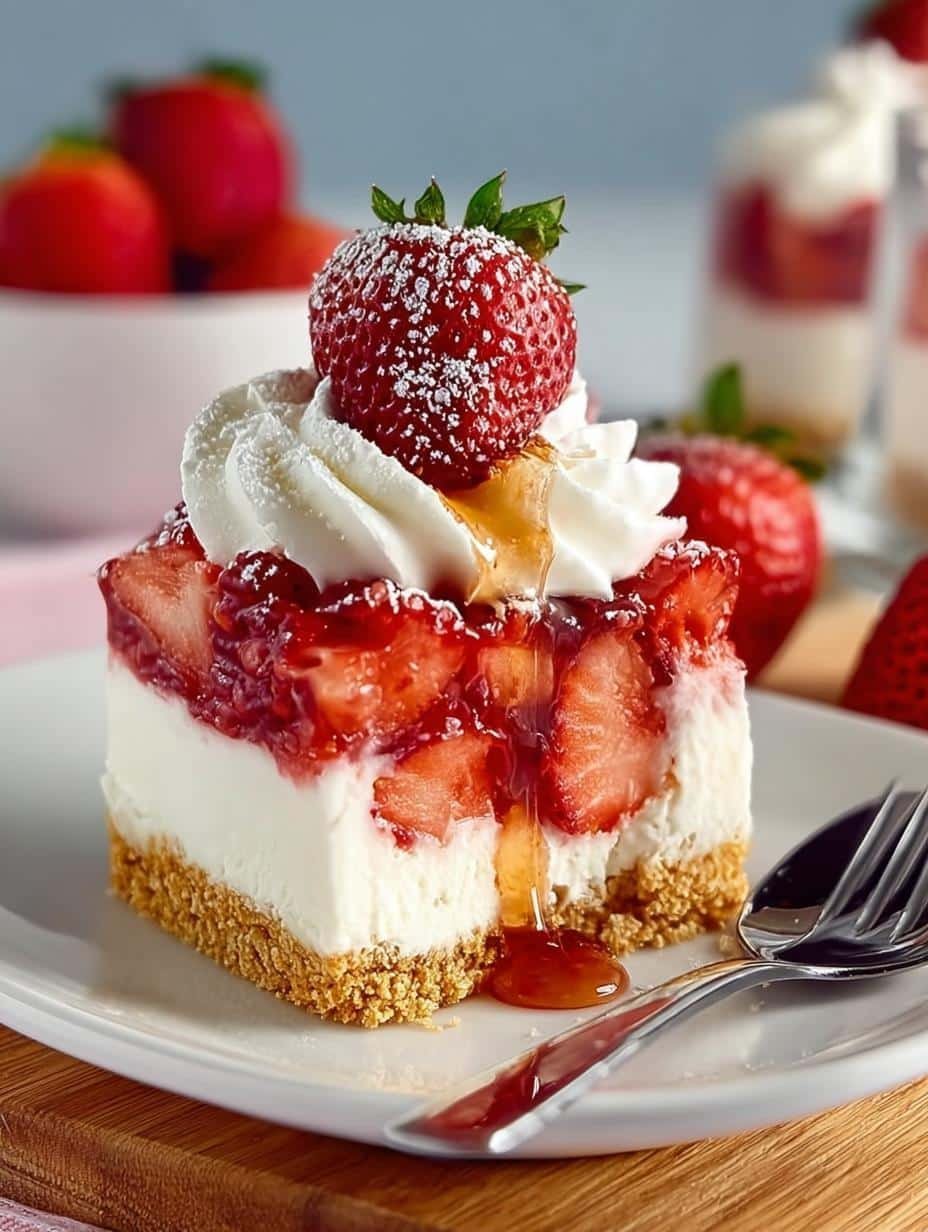
- In 8 oz jars, add a spoonful of the cheesecake filling, then a layer of cake cubes, then sliced strawberries. Repeat until jars are full, finishing with a strawberry crown.
Pro tip: Use a small spoon or piping bag to get neat layers and avoid crumb contamination of the filling.
Step 5: Chill & finish (30 minutes to 2 hours)
- Chill jars for at least 30 minutes to allow flavors to meld and the filling to firm slightly. For best texture, 2 hours is ideal.
Pro tip: If you want a firmer set, fold in 1–2 tablespoons of softened cream cheese or 1 tsp powdered gelatin bloomed in water.
Step 6: Serve and adapt (immediate after chilling)
- Garnish with mint, lemon zest, or a dusting of coconut sugar.
- If taking to a picnic, keep chilled in a cooler.
Basic Directions (from the prompt)
- Whip egg whites in a bowl until soft peaks form. Gradually add coconut sugar and continue whipping until glossy. Gently fold in sifted flour and vanilla, ensuring you retain the light airiness.
- Divide the batter into microwave-safe mugs and microwave for 30-50 seconds. Alternatively, pour the batter into a greased pan and bake at 350°F for 15-18 minutes until golden brown.
- Allow the angel food cake to cool completely.
- In a food processor, blend cottage cheese, Greek yogurt, vanilla bean paste, and maple syrup until smooth and creamy.
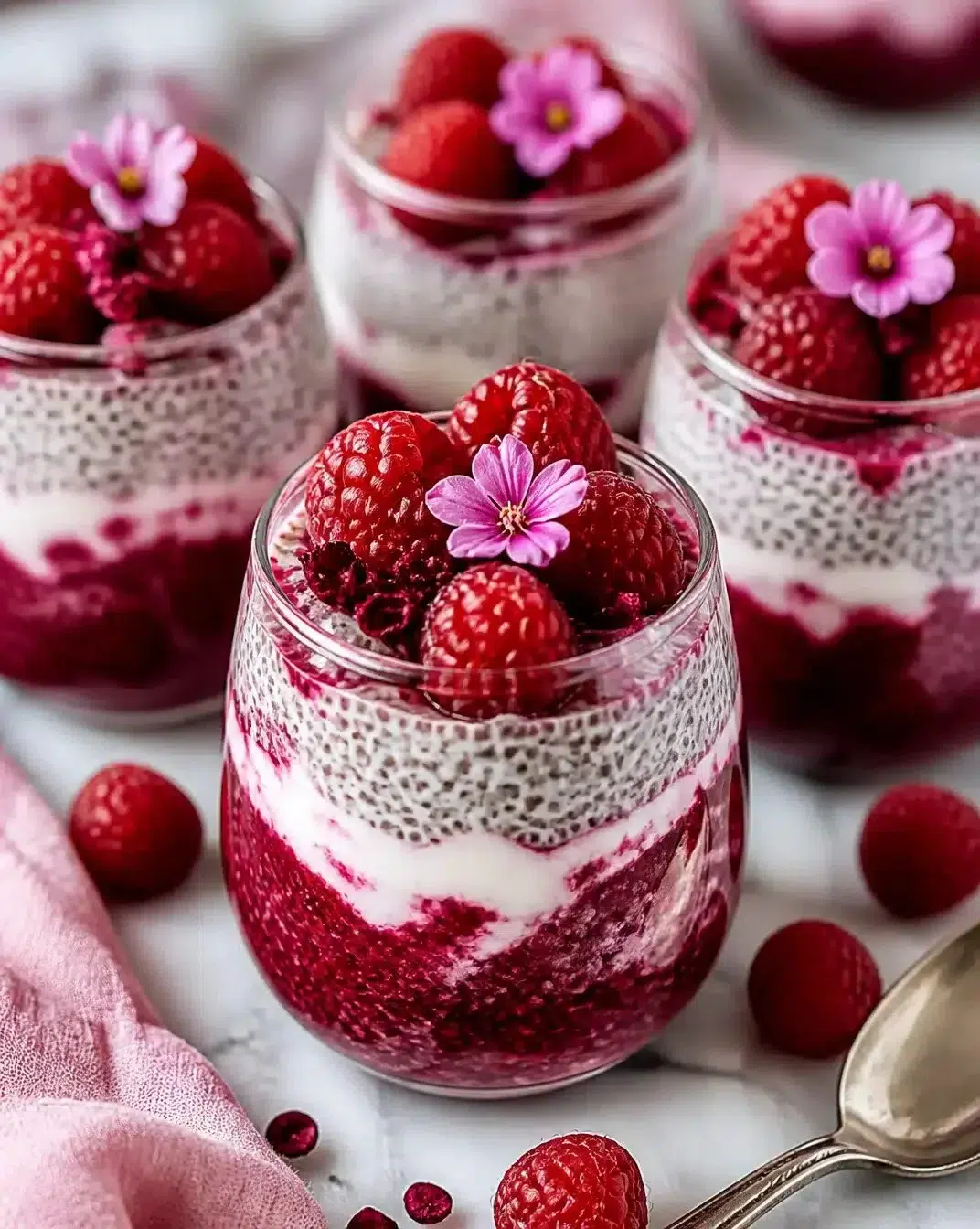
- In 8 oz jars, begin layering by adding a spoonful of the cheesecake filling, followed by cubes of cooled angel food cake, and fresh strawberries. Repeat the layers, finishing with strawberries on top for an eye-catching presentation.
H3: Building the Base
- Whether microwaving mug cakes or baking a pan, prioritize gentle folding to keep the airy structure. Overmixing deflates the batter.
H3: Application Techniques Explained
- Layer order matters for texture: start and end with filling to keep moisture even and presentation neat.
H3: Integration Methods
- For make-ahead situations, assemble but hold off on the final strawberry layer; add just before serving to keep fruit fresh.
H3: Final Reflection
- Taste for balance: more tang? Add a touch more maple. Too sweet? Next time reduce sugar by a small amount.
Expert Insights & Strategies (H2) 🧑🍳✨
Here are 6 expert techniques and troubleshooting tips to elevate results:
Texture smoothing secret: Blend cottage cheese with a splash of milk or yogurt in a high-speed blender to remove toothiness. Professionals often strain ricotta through a sieve for similar smoothness.
Integration timing: Add delicate toppings (mint, powdered sugar) just before serving to avoid wilting and moisture transfer.
Layering efficiency: Use a piping bag for the filling to create clean layers quickly — good for event prep.
Presentation trick: Slightly compress cake layers with the back of a spoon to create a uniform appearance without crushing the cake.
Troubleshooting separation: If filling weeps or separates, it may be over-processed or under-chilled. Chill 20–30 minutes and reblend lightly.
Flavor optimization: Brighten the filling with 1 tsp lemon zest or 1 tbsp fruit coulis for more complexity.
Common failures and solutions
- Soggy bottom: Avoid macerating berries too long or use a thin barrier of filling between fruit and cake.
- Grainy filling: Blend longer or pass through a sieve; use Greek yogurt to smooth mouthfeel.
- Overly sweet: Use less sweetener and accent with citrus.
Professional-style tricks
- Use a neutral sponge for clean strawberry flavor; a flavored cake can compete with the filling.
- For travel, secure jars with lids and keep upright in a cooler.
Enhancement strategies
- Add texture with toasted almonds or granola between layers.
- Use flavored extracts (almond for a nutty accent, vanilla for warmth).
Creative Variations & Adaptations (H2) 🎨
Strawberry Shortcake Cottage Cheesecake variations make this dessert versatile across contexts.
Contextual variations
- Breakfast parfait version: Reduce maple, add granola top, and serve chilled for brunch.
- Low-sugar adaptation: Use stevia or erythritol and increase berry maceration for natural sweetness.
Application modifications
- Kid-friendly: Add candy sprinkles between layers or use strawberry jam for a familiar flavor.
- Elegant dinner-party: Layer in stemware and finish with a berry coulis drizzle and edible flowers.
Cultural twists
- Mediterranean: Swap cottage cheese for ricotta, add orange blossom water and pistachios.
- Japanese-inspired: Use matcha sponge and macerated strawberries with sweetened condensed milk drizzle.
Practical transformations
- Vegan option: Use silken tofu blended with coconut yogurt and a vegan cake base.
- Portable snack: Layer in small mason jars for grab-and-go desserts.
Scalable versions
- For 4 people: use 4 jars; for a party of 20: assemble in large trifle bowls or multiple 16-oz jars.
Try pairing concepts with other cheesecake ideas like this dreamy cheesecake resource: cheesecake dreamy dessert.
Breakdown & Benefits Analysis (H2) 📊
Per Application (makes X insights)
- Family Dessert (serves 6): Impact: high — easy appeal; Depth: 60%; Relevance: 9/10; Flexibility: 8/10
- Brunch Parfait (serves 4): Impact: medium-high; Depth: 50%; Relevance: 8/10; Flexibility: 9/10
- Party Trifle (serves 12): Impact: high; Depth: 70%; Relevance: 9/10; Flexibility: 7/10
Benefits of key concepts
- Layering improves perceived value and enjoyment: layering creates visual cues that the dessert is special.
- Cottage cheese + yogurt combo reduces density while retaining creaminess: health-forward benefit without sacrificing texture.
Considerations
- Freshness of strawberries drastically affects final result — use ripe fruit.
- Temperature control matters; overly warm jars cause separation.
Adaptation-friendly modifications
- For refrigeration-sensitive events, keep jars chilled until serving and add delicate toppings on site.
- Swap sweeteners based on dietary needs, adjusting quantities for taste.
Enhancement highlights
- Texture additions (crunch) increase satiety and mouthfeel.
- Zest and extracts add dimension without many extra calories.
Inclusive applications
- Gluten-free people: use GF sponge or almond flour-based cake.
- Dairy-free people: use blended silken tofu or vegan cream alternatives.
Growth-boosting properties
- Once you master the base method, the same layering concept can be applied to many fruit and flavor combos — a repeatable skill that scales.
Storage, Application & Learning Prep (H2) 🧠💾
Proper retention methods (notes/memory)
- Keep a small recipe card: list ratios (cottage cheese : yogurt = about 2:1 by volume), sweetener scale, and maceration times.
- Photograph successful jars as a visual reference for future plating.
Best tools to use
- A labeled container for measured filling helps batch-making.
- Airtight jars extend freshness and are portable.
Application techniques for optimal use
- Assemble up to 24 hours ahead: store covered, add fresh strawberry layer before serving.
- For longer storage, keep filling separate and assemble on site.
Learning prep strategies
- Practice blending and tasting in small batches. Adjust one variable at a time: first sweetener, then texture, then layering technique.
How long knowledge lasts
- The foundational techniques (blending dairy, folding cake, layering) are transferable and durable skills. With recipes recorded, you’ll recall how to balance sweetness and texture indefinitely.
SEO phrase: How to retain Strawberry Shortcake Cottage Cheesecake knowledge — writing down ratios and taking step-by-step photos helps retention and replication.
Troubleshooting Common Issues (H2) 🔍
Problem → Solution
Problem: Filling is grainy or lumpy.
Solution: Blend longer in a food processor or pass through a fine sieve. Add a touch of Greek yogurt to smooth texture.
Problem: Cake becomes soggy after layering.
Solution: Reduce berry maceration time, or put a thin layer of filling between fruit and cake to buffer moisture. Use sturdier cake cubes if transport is needed.
Problem: Dessert tastes too tangy or too sweet.
Solution: Adjust sweetener incrementally—add 1/2 tsp at a time and taste. For tanginess, add a little maple or a touch of vanilla.
Problem: Layers collapse while serving.
Solution: Use firmer cake cubes and chill jars longer. Compress cake layers lightly for stability.
Problem: Filling separates after refrigeration.
Solution: Reblend gently and chill. If separation persists, fold in a tablespoon of softened cream cheese or a small amount of gelatin (bloomed) for stability.
Comprehensive FAQ Section (H2) ❓
Q1: Can I apply this Strawberry Shortcake Cottage Cheesecake guide universally?
A1: Yes — the core method is adaptable. Swap cake bases and dairy types to meet dietary needs. See variation ideas above.
Q2: How far in advance can I prepare the jars?
A2: Assemble up to 24 hours ahead; add final fruit and garnishes just before serving for freshness.
Q3: What’s the best way to integrate Strawberry Shortcake Cottage Cheesecake insights into meal planning?
A3: Add to your dessert rotation as a make-ahead option for potlucks and brunches. Batch the filling, store in airtight containers, and assemble the night before.
Q4: Can I adapt this Strawberry Shortcake Cottage Cheesecake guide for a vegan diet?
A4: Yes. Use silken tofu or vegan cream cheese alternatives blended with coconut yogurt, and a plant-based cake. Texture will differ slightly but remain satisfying.
Q5: Is this guide beginner-friendly?
A5: Absolutely. The steps are straightforward, and the recipe tolerates a few mistakes (texture can be adjusted after blending). The trickiest part is whipping/folding for a homemade sponge, but you can use store-bought cake to simplify.
Q6: How do I make the filling less sweet but still flavorful?
A6: Reduce sweetener and add citrus zest or a pinch of salt to enhance flavor without adding sugar.
Q7: Can I freeze assembled jars?
A7: Freezing is not recommended for best texture. Freeze cake and berries separately; make filling fresh and assemble after thawing.
Q8: What are good garnishes that won’t make the dessert soggy?
A8: Toasted nuts, a light dusting of powdered sugar, and edible flowers are great. Add delicate herbs like mint only before serving.
(FAQ intentionally covers search intent and practical concerns; long-tail phrases included naturally.)
Related Guides & Applications (H2) 🔗
Complementary topics to explore:
- Mini cheesecake ideas and single-serve desserts — mini strawberry cheesecakes.
- Pairing cheesecake bases with new flavors — try peanut-butter variants (peanut butter cheesecake).
- Transformations using cottage cheese in baked goods — see the cottage cheese brownie twist (cottage cheese brownie).
Resource pairings: pairing with fruit compotes, citrus curds, or nutty toppings can elevate the basic method into unique desserts.
Complete learning path: start with the filling technique, practice cake folding, then assemble multiple jars to learn speed and presentation.
Summary Card & Reference Version (H2) 🗂️
Quick concept list
- Base: angel food or sponge
- Filling ratio: ~2 parts cottage cheese : 1 part Greek yogurt
- Sweetener: maple or honey to taste
- Fruit: fresh strawberries, lightly macerated
- Assembly: fill, cake, fruit, repeat
Learning time summary
- Prep & blending: 15–20 minutes
- Layering assembly (4 jars): 10–15 minutes
- Chill time: 30 minutes to 2 hours
Condensed version (reference)
- Cube cooled angel food cake.
- Blend cottage cheese + Greek yogurt + vanilla + maple until smooth.
- Macerate strawberries briefly.
- Layer jar: filling → cake → berries → repeat.
- Chill, garnish, serve.
Keep this card on your phone or printed in the kitchen for repeatable results. 📱🖨️
Conclusion & Reader Engagement (H2) ✅
Thanks for exploring this full Strawberry Shortcake Cottage Cheesecake guide — I hope it gives you the confidence to build light, layered desserts that taste impressive but are simple to make. If you want a straightforward, cottage-cheese–forward cheesecake to compare techniques, see this easy cottage cheese cheesecake resource: Easy Cottage Cheese Cheesecake – The Pancake Princess. For another jar-style idea focused on strawberries and cottage cheese, check these strawberry cheesecake cups: Strawberry Cheesecake Cups with Cottage Cheese.
Engage with me: drop a comment below with your favorite substitution, tag photos on social media, or save this guide for your next gathering. Want help converting this into a gluten-free or vegan version — ask and I’ll tailor the steps!
Call to action:
- Drop a comment below with your insights! 💬
- Tag us on social media @yourhandle with your jars 📸
- Save this guide for your next project 🔖
If you’d like, I can convert this into a printable recipe card, shopping checklist, or a condensed Instagram carousel. Which would you prefer?
Print
Strawberry Shortcake Cottage Cheesecake
- Total Time: 40 minutes
- Yield: 4 servings 1x
- Diet: Vegetarian
Description
An irresistible layered dessert combining light angel food cake, cottage cheese, and fresh strawberries, perfect for any occasion.
Ingredients
- 1 angel food cake, cubed
- 1 cup cottage cheese
- 1 cup Greek yogurt
- 1/4 cup maple syrup
- 1 teaspoon vanilla bean paste
- 2 cups fresh strawberries, hulled and sliced
Instructions
- Prepare the cake base and cube the angel food cake.
- In a food processor, blend cottage cheese, Greek yogurt, vanilla bean paste, and maple syrup until smooth.
- Slice and macerate strawberries briefly with a sprinkle of sugar.
- Layer in 8 oz jars: start with a spoonful of filling, layer with cake cubes, and top with strawberries. Repeat layers, finishing with strawberries on top.
- Chill jars for at least 30 minutes before serving.
- Garnish with mint or a dusting of coconut sugar before serving.
Notes
For best texture, chill the cottage cheese before blending. Adjust sweetness based on personal preference.
- Prep Time: 20 minutes
- Cook Time: 20 minutes
- Category: Dessert
- Method: No-Bake
- Cuisine: American
Nutrition
- Serving Size: 1 jar
- Calories: 280
- Sugar: 15g
- Sodium: 150mg
- Fat: 5g
- Saturated Fat: 2g
- Unsaturated Fat: 3g
- Trans Fat: 0g
- Carbohydrates: 51g
- Fiber: 2g
- Protein: 11g
- Cholesterol: 5mg